What to Expect in the First Therapy Session for Your Child
I know that making the decision to put your child in therapy can feel overwhelming and tender at times. You don’t want your child to think that there’s anything “wrong with them,” and you also don’t want a therapist judging you or pointing out every flaw in your parenting. (For the record, I would never do that).
However, if you’re reading this I’m going to assume you either made the decision to move forward or you’re gathering information to make the best choice for your family. Either way, you deserve clarity, and I can help with that.
Let’s make this easy.
Here are five things to expect in your child’s first therapy session (at least with me):
A friendly, no-expectations introduction:
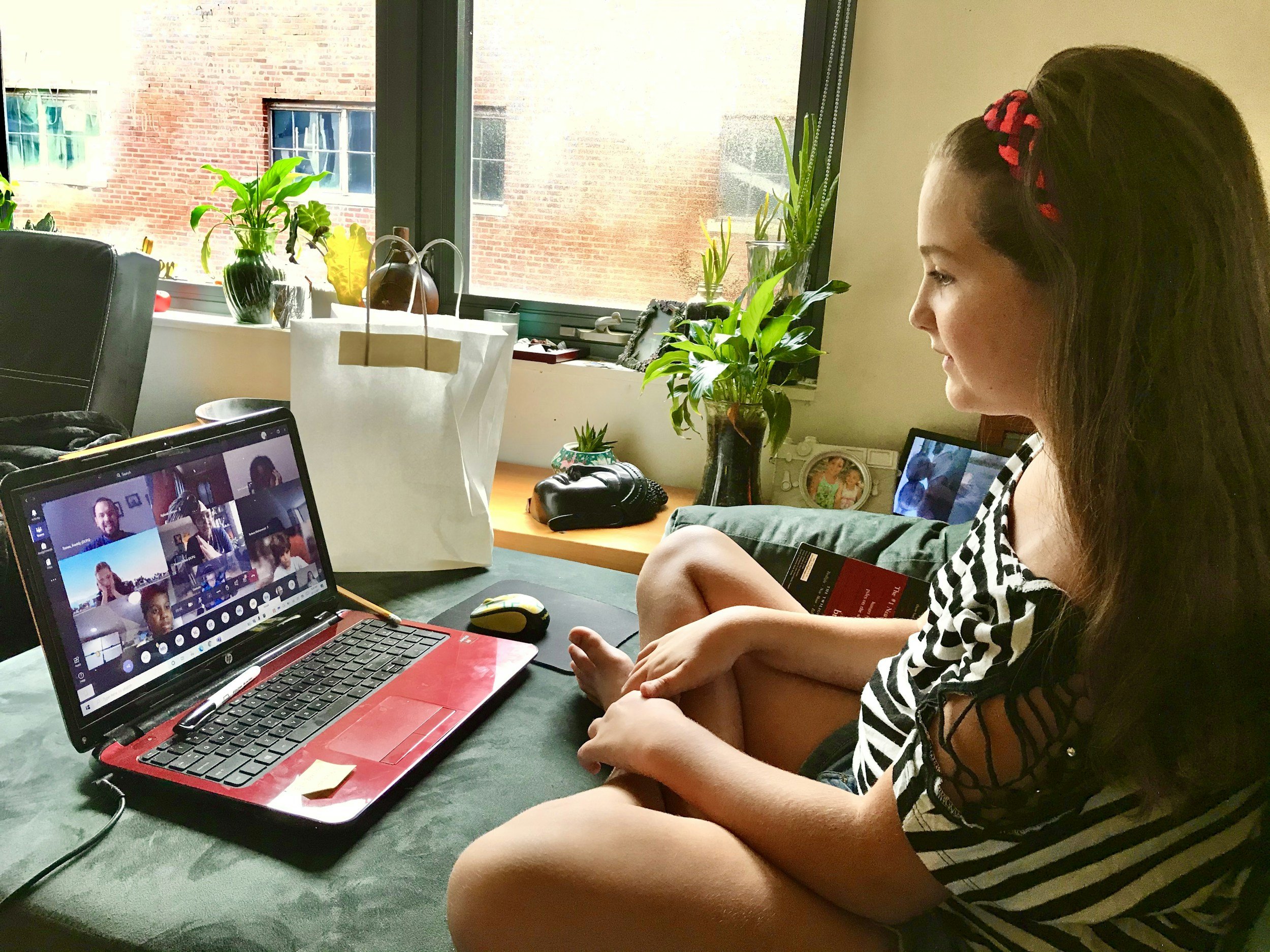
For the initial session, I always ask that a parent/primary caregiver accompanies the child at least for the first fifteen minutes. I do this for a few reasons. One is that I’m obviously a stranger to your child, and I want them to feel as comfortable as they can, while we’re meeting each other. It’s also important that you get a chance to hear how the session will run, as well as a little bit about confidentiality. Since I am a virtual provider right now, it is so important to make sure you and your child understand that therapy is meant to be a safe and secure space.
I usually introduce myself, share a bit about what my role is as a therapist in an age-appropriate way, explain confidentiality, and then ask the child if they feel comfortable meeting with me alone for the bulk of the session. I’ve actually never had a child say no, but I am fully prepared if they do!
Rapport-building in a fun way with your child:
Working with children requires a specific set of skills. Even if your child is chatty and trusts easily, it is important that they feel that they can not only trust me, but also that we can form a meaningful connection. In therapist speak, we call this “rapport-building.” No one wants to spend 45-50 minutes with someone they don’t like, and children are no different.
My primary goal is always to grow a connection with my young clients, so that we can actually create meaningful and lasting progress. Throughout therapy, this can look like using games, play or drawing to foster connection. In the first session, it typically involves getting to know one another through either an activity your child likes or a fun scavenger hunt around their room/the room they’re in. I’ve had great success with this game in the past, and it’s remained a favorite of my clients. Whatever helps them feel safe, seen, and comfortable is where we’ll start.
My gentle assessment of meeting one-on-one with your child:
While I won’t directly share specific feedback in front of your child, you can expect that while we are meeting, I am noticing and assessing for any struggles or strengths your child presents with. I’m never testing or pressuring your child, I’m simply just paying attention to them. Since I already have your intake paperwork, I usually have a good understanding of how you are hoping your child will grow from support in therapy.
Typically, at the end of session, I will invite you back in to join your child again, share general feedback, and send you a follow-up email with additional information. I also always ask your child if they are okay with meeting again, and I’ll share that information with you too.
A clear roadmap for what’s to come:
Part of the beauty and what actually makes it so effective is that there’s no strict guidebook or perfect map to follow. However, I recognize that the unknown and unexpected can make my anxious clients and their parents nervous at times, so I like to provide a general roadmap for future sessions.
Connection is vital and a core part of how I work, so I always share that the first 3-4 sessions are geared towards rapport-building, getting to know one another, and introducing some gentle, tangible skill-building. Usually after those first few sessions, I will invite parents to meet with me one-on-one in a collateral session, where we can work together to develop a plan and goals for your child’s therapy.
Every child has different needs in therapy. Some benefit from more concrete, hands-on goals, while others grow most from the safety and support consistent therapy provides.
Final thoughts:
I hope this provides you with more clarity about what the first session and beyond can look like in therapy with me. My goal is always to make the process feel collaborative, supportive, and grounded in connection for both you and your child.
If you’re still exploring your options or want to make sure you choose a therapist who truly fits your family’s needs, check-out my post on “How to Find the Right Child Therapist in New York: What You Should Know.” It breaks down what to look for, what questions to ask, and how to trust your instincts as a parent.
And if you’re considering starting therapy with me, I’m here to make the process feel as comfortable and clear as possible. Let’s connect here.